Better care starts with knowing the full story.
Primary Record connects fragmented health information into a single, usable story for families and the care teams supporting them. It’s health interoperability designed around real life, not systems.

Built for where care actually happens
Primary Record gives families and community teams a single shared place to collect, organize, understand, and share health information, so care stays connected even when the system isn’t.
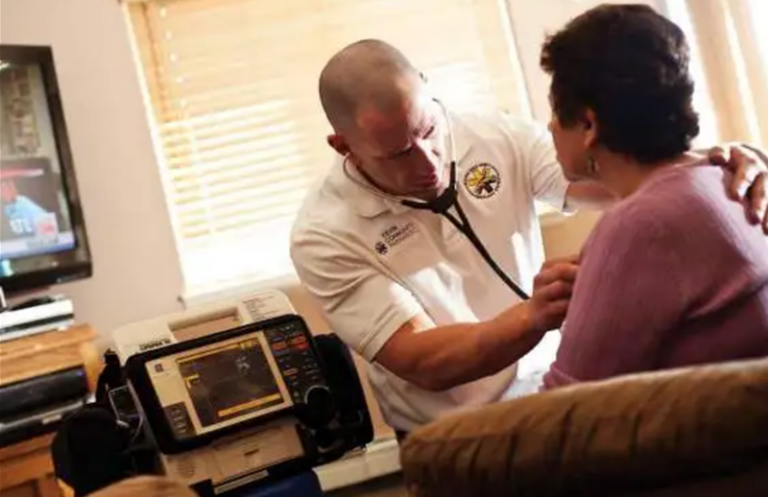
Most care doesn’t happen inside a doctor’s office or hospital. It happens at the kitchen table, in the home, and across phone calls, emails, and paperwork passed from hand to hand. Families and community care teams are still forced to rely on paper binders, faxed records, portal logins, and repeated forms just to stay coordinated.
What it takes to keep care connected, outside the system
COLLECT
Bring the full story together
Care rarely lives in one place. Information is scattered across portals, paper files, and people’s memories. Primary Record brings records, notes, and important details together so the full picture is available, not just what shows up in a chart.
ORGANIZE
Turn information into continuity
Having information isn’t the same as being able to use it. Primary Record organizes health information over time so details don’t get repeated, forgotten, or lost. Important changes, decisions, and patterns stay visible, across visits, updates, and decisions.
SHARE
Keep everyone on the same page
Care coordination still depends on phone calls, faxes, and repeating the same story again and again. Primary Record makes it easy for families to share the right information with advocates, community organizations, and mobile health teams so everyone is working from the same, up-to-date picture, without starting over each time care changes hands.
UNDERSTAND
Make sense of the whole picture
Care is made up of many moments, decisions, and changes, and it’s hard to see how they all fit together. Primary Record brings information together and explains it in plain language, so families and community partners can understand what’s happened, what’s changing, and what matters now, with less guessing and more confidence.